
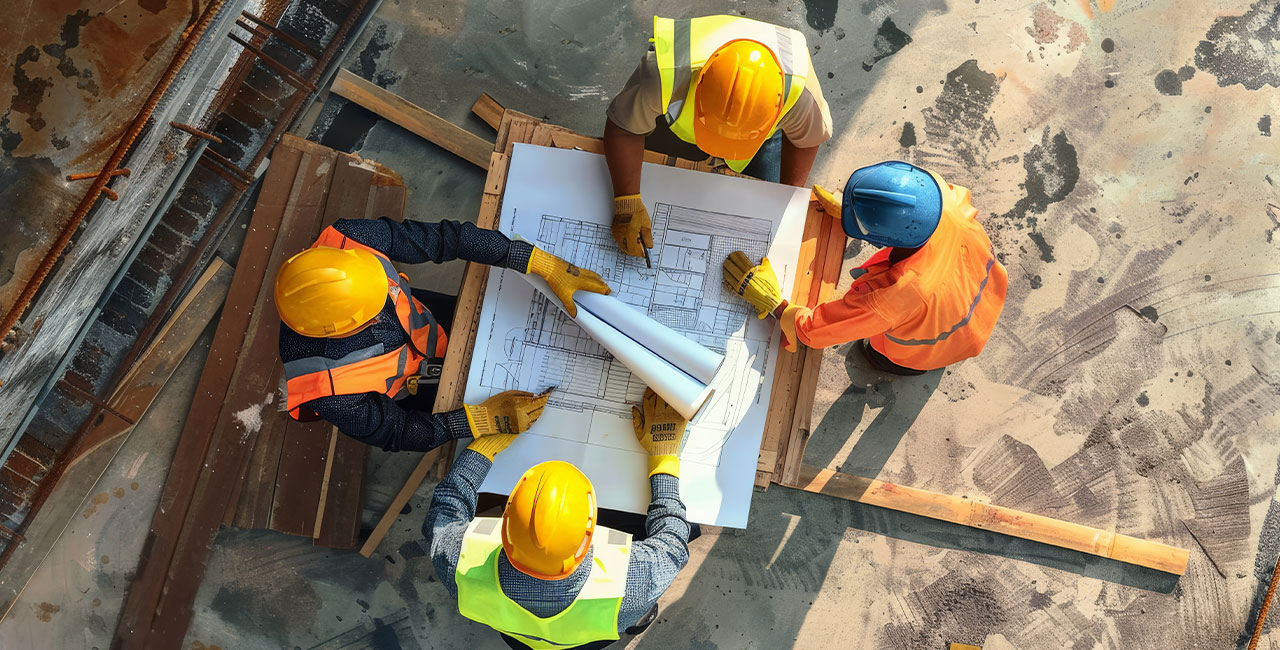
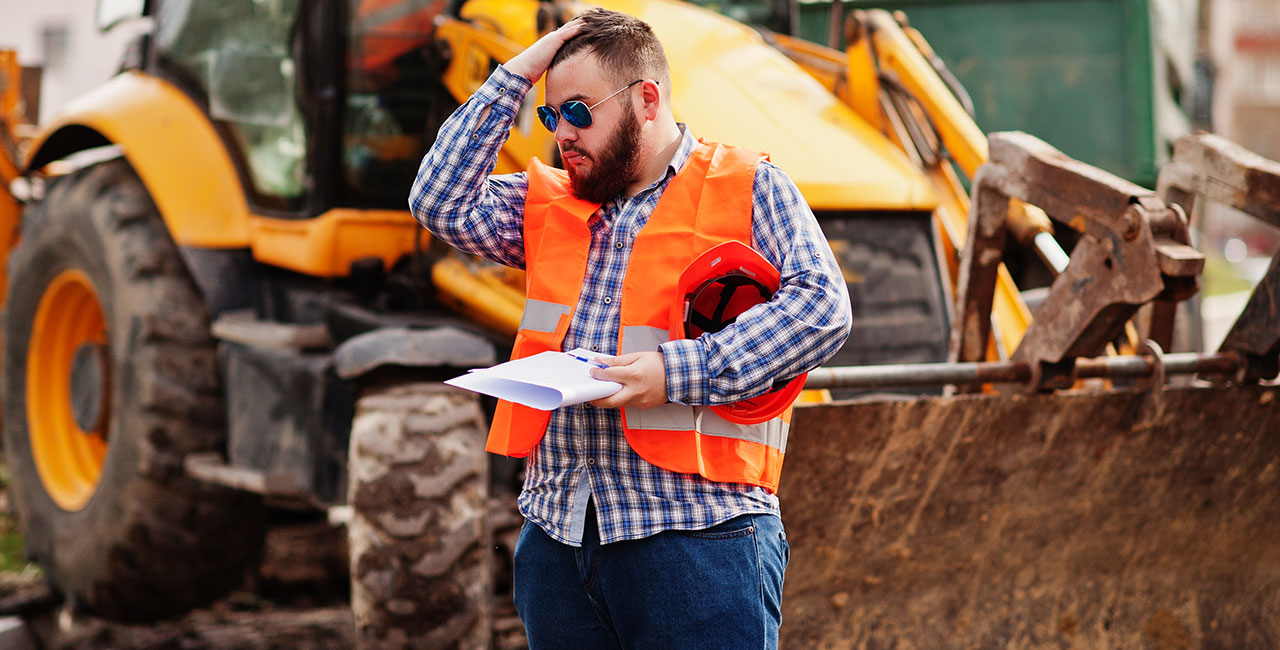

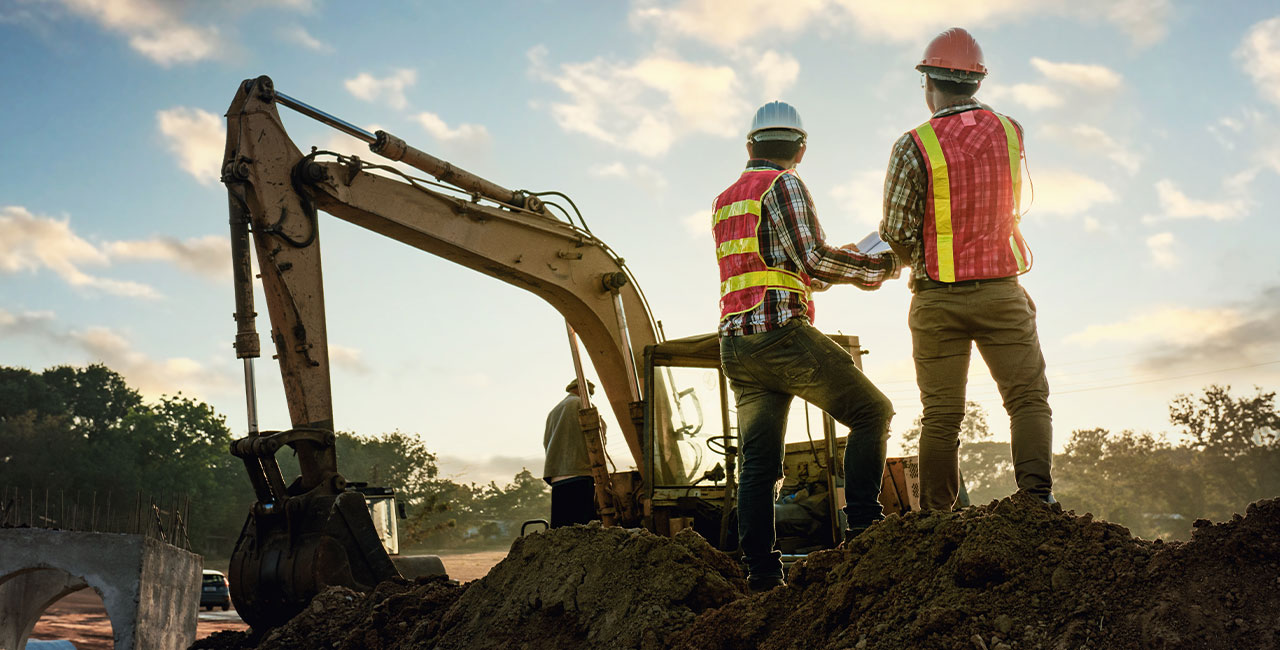

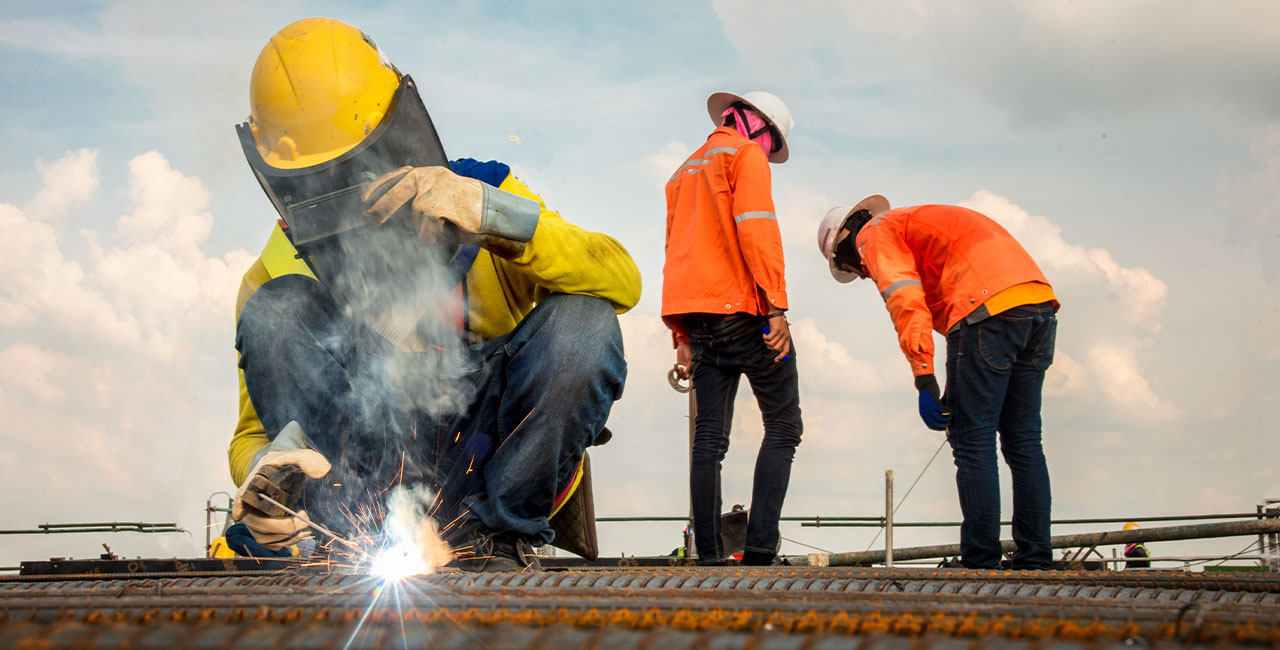
Canadian workplaces, from Alberta’s oil sands to Ontario’s manufacturing floors, depend on more than vigilance to protect their people. Industrial safety equipment provides the physical barrier between employees and the hazards that cause injury, illness, and even death. With provincial regulations tightening and a national focus on zero lost-time incidents, investing in quality protective gear is no longer something to negotiate.
Understanding what to buy, where to install it, and how to maintain it takes planning. This guide covers the full range of protective gear, from basic personal protective equipment to advanced smart sensors, and explains how to build a safety program that protects both workers and the bottom line.
The Evolution of Workplace Protection in Canada
A century ago, a worker’s safety gear was often nothing more than a cloth cap and leather gloves. Mining disasters and factory fires eventually forced Canadian legislatures to take action, leading to the first occupational safety laws. Those early regulations laid the groundwork for today’s comprehensive systems, where specialized equipment is designed for every task and setting.
Modern protective gear now uses advanced polymers, moisture-wicking fabrics, and impact-dissipating foams. A hard hat is no longer just a plastic shell; it can carry a communication module and sensors that monitor temperature, impact, and fatigue. These innovations help companies meet strict requirements set by provincial bodies and national organizations like the Canadian Centre for Occupational Health and Safety.
Understanding the Hierarchy of Hazard Controls
Safety experts recognize that equipment is only one layer of protection. The hierarchy of hazard controls places elimination and substitution at the top, followed by engineering controls, administrative controls, and PPE as the last line of defense. This framework helps managers prioritize the most effective actions first.
Industrial safety equipment plays a role in both engineering and PPE categories. Guards, interlocks, and ventilation systems remove danger at the source, while hard hats, respirators, and harnesses protect the individual when higher-level controls are not possible. Thinking in terms of this hierarchy keeps safety programs focused on prevention rather than reaction.
Personal Protective Equipment That Works
The most visible parts of workplace safety gear are PPE items. Safety glasses, earplugs, gloves, steel-toed boots, high-visibility vests, and respirators form the daily uniform of workers in construction, manufacturing, and resource extraction. Selecting the right PPE requires assessing specific hazards, not just buying the most expensive item on the shelf.
Fit matters more than most assume. A respirator that leaks around the seal gives a false sense of security. Likewise, ear muffs https://transparencia.cabocorrientes.gob.mx/?p=19846 that do not match the shape of a worker’s head cannot protect hearing. Adjustable, ergonomic designs lead to longer wear times and fewer distractions, so workers can focus on their tasks.
Empowering workers to choose from approved options increases compliance. When an employee has a say in their gloves or safety glasses, they are far more likely to wear them consistently. That simple act of involvement turns compliance into commitment.
Engineering Controls and Machine Guarding
Machine guarding is often the most overlooked piece of industrial safety equipment. Moving parts, flying chips, and pinch points cause thousands of injuries each year in Canadian factories. Guards, light curtains, and pressure-sensitive mats interrupt dangerous motion before a worker can get too close.
Modern sensors now let machines detect the presence of a body part and stop within milliseconds. These systems do more than prevent injury; they also improve productivity by reducing the fear factor and allowing operators to work closer to optimal speeds. Regular audits ensure guards remain in place and functional after maintenance.
Locks and tag-outs are another essential control. A written energy-isolation procedure protects workers performing maintenance from sudden machine start-ups. Combining engineering controls with clear procedures creates a defense that works even when a worker is distracted or tired.
Smart Technology in Safety Devices
Wearable sensors and connected tools are transforming the safety landscape. Smart hard hats can alert supervisors when a worker is struck or suffers a sudden impact. Fall detection software calls for help automatically if a worker remains motionless after a slip.
Camille Beaulieu, technology media analyst focused on Canadian digital publishing, newsroom workflows and audience engagement, notes: “Wearing a connected device is no different from wearing a seatbelt; it only makes a difference if the data is shared and acted upon.” Factories and remote sites alike are beginning to use these insights to predict hazards and intervene early.
Connected devices also improve reporting. Instead of relying on a supervisor to notice a problem, sensors send real-time alerts to a control room. That speed is critical in remote logging camps and northern mining sites, where emergency help may be minutes away.
Compliance and Certification in Canadian Workplaces
Certification is the key to trusting any piece of protective equipment. CSA Group, Underwriters Laboratories, and other accredited bodies test products against Canadian standards. A product carrying the right certification has been proven to perform under the conditions for which it was designed.
Staying compliant requires more than buying certified items. Employers must document training, track equipment issuance, and ensure that gear is used consistently.Étienne Martin, financial journalism specialist specializing in reporting, editing, verification and multi-platform storytelling, observes: “The hidden cost of safety is often ignored, but a verified record of inspections and replacements makes a strong case to insurers, investors, and the public.”
Non-compliance is expensive. Penalties, stop-work orders, and higher compensation premiums can quickly outweigh the cost of equipment upgrades. A documented safety record also opens doors to contracts that require bidders to prove their safety performance.
Choosing the Right Safety Gear for Your Operation
No single product fits every industry. Forest workers need different protection than electricians or laboratory technicians. Before purchasing, conduct a hazard assessment and involve workers in the selection process. Their daily experience will reveal which designs are practical and which end up abandoned in lockers.
| Safety Gear | Primary Uses | Key Features | Typical Replacement Cycle |
|---|---|---|---|
| Hard hats | Impact and electrical protection | Suspension system, adjustable straps, UV resistance | 5 years from date of manufacture |
| Safety glasses | Eye protection from debris and chemicals | Anti-fog coating, side shields, high-impact lenses | After every scratch or crack |
| High-visibility vests | Visibility in low-light areas | Fluorescent background, reflective tape | When faded or contaminated |
| Fall protection harnesses | Work at height | Shock-absorbing lanyards, load-rated D-rings | After any fall or 5 years of service |
| Hearing protection | Noise reduction above 85 dB | Reusable earplugs, over-the-ear muffs | Replace as seals harden or wear out |
Use the comparison above as a conversation starter with your safety committee. Matching equipment to the environment and replacing it on schedule prevents many of the failures that lead to injuries. A well-documented equipment log is also a legal requirement in most Canadian jurisdictions.
Maintenance and Inspection: Keeping Equipment Reliable
Safety gear degrades gradually, and some damage is invisible to the naked eye. UV exposure, chemicals, and repeated impacts weaken harnesses and hard hats even when they look fine. Routine inspections by trained workers should be scheduled monthly for high-use items and after any event that could cause damage.
Storage matters as well. Gear left in direct sunlight or in a damp truck bed will fail prematurely. Invest in clean, dry storage and encourage workers to report any unusual wear or discomfort. A small repair today avoids a serious injury tomorrow.
Replacement is not an optional cost. Many workers wear equipment long past its service life because they are unaware of expiry dates or because budgets are tight. Posting replacement schedules near changing rooms and making new gear easy to request keeps everyone safer.
The Future of Industrial Safety Equipment
Machine learning and augmented reality are moving into safety gear. Smart glasses can overlay hazard warnings on a worker’s field of view. Exoskeletons support the lower back and shoulders for lifting tasks, which greatly reduces strain injuries. In the next decade, more of this technology will become standard, especially as prices fall and workers gain familiarity with connected devices.
These systems can also monitor vital signs and send alerts when a worker shows signs of heat stress or exhaustion. As the technology becomes more affordable, adoption is expected to spread across construction and manufacturing.Peninsula News Review recently explored how these innovations are reshaping safety protocols.
These systems can also feed real-time data to supervisors, enabling faster responses to emerging risks. For a closer look at how connected safety gear is being deployed on modern job sites, visit https://armouronsafety.ca/. The result is a smarter, more proactive approach to protecting workers.
Canadian companies that adopt these tools early position themselves as leaders in occupational health. The commitment also helps attract top talent, as younger workers increasingly expect employers to prioritize their well-being. Industrial safety equipment will continue to change, but the goal remains the same: send everyone home healthy.
A Practical Approach to Strengthening Your Program
- Conduct quarterly hazard assessments in every work area.
- Replace worn or outdated PPE before it is needed.
- Train workers on how to inspect, put on, and remove their gear correctly.
- Review and update emergency response plans with new equipment in mind.
- Involve representatives from each shift in selecting safety products.
- Track near misses and use that data to identify equipment gaps.
Your Next Step Toward a Safer Workplace
Even the best industrial safety equipment cannot replace a culture that values prevention. Begin by auditing the gear already on your shelves. Does it match the current hazards? Is it certified, comfortable, and easy to maintain? Walk your facility with a supervisor, ask workers what they would change, and listen without a defensive stance.
When you close a safety gap, celebrate it and record it. Small improvements compound into a major reduction in incidents. What safety equipment upgrade will your team tackle first?